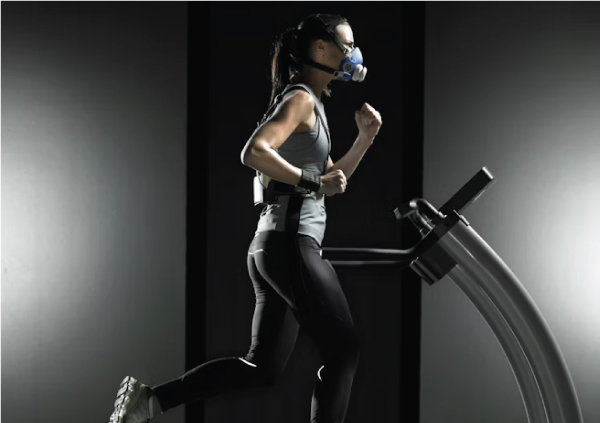
Hypoxic altitude training is highly recommended for conditioning your body to be used to high altitude conditions, increasing aerobic capacity and endurance.
But before you decide to engage with hypoxic training, it’s important to understand exactly who would benefit, and how they would benefit, so you can look to incorporate it into your training or injury rehabilitation regime if appropriate.
How hypoxic altitude training helps athletes
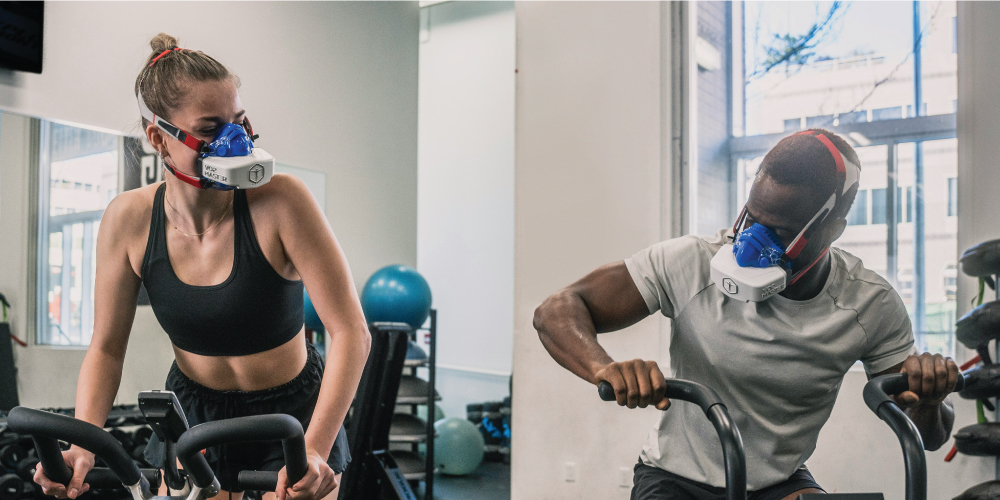
Hypoxic altitude training typically trains your body for high altitude and low oxygen environments. It does this by forcing the body to adapt to lower oxygen environments, primarily through increasing red blood cell production.
This increase in red blood cells enhances the body’s aerobic performance (or VO2 max), as it enables the body to use oxygen more efficiently.
Hypoxic training doesn’t just have to be used in preparation for actual low oxygen conditions however; it’s also often beneficial through promoting faster muscle tissue repair and reduced soreness. It is also often used in preparation for ultra marathons and similar events.
Which type of athlete could benefit from altitude training?
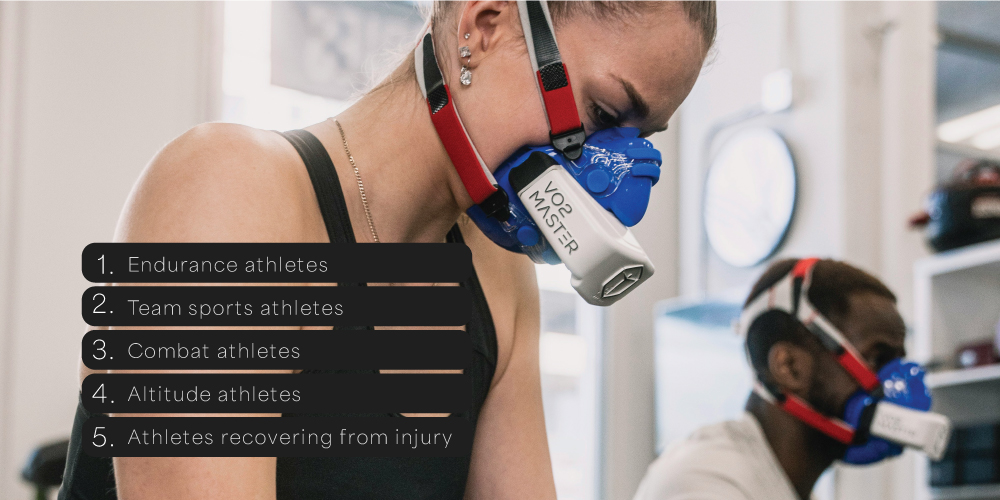
Many different types of athlete would benefit from altitude training because the advantages are so broad. This ranges from endurance athletes taking part in extreme sports to individuals recovering from injury (and many in between).
Endurance athletes: Runners, cyclists, triathletes and swimmers all rely on aerobic capacity to perform. Altitude training pushes your body to produce more red blood cells in response to lower oxygen levels, meaning more oxygen reaches working muscles when it matters most. For an endurance athlete building towards a marathon, even a small improvement in VO2 max can translate into faster times and a stronger finish.
Team sports athletes: Football, rugby and basketball players need to sustain high-intensity efforts repeatedly across a full match, not just produce one sprint and recover. Hypoxic training builds the aerobic base that keeps those efforts sharp in the final minutes.
Combat athletes: Boxers and MMA fighters need explosive power, but they also need to sustain it across multiple rounds without fading. Altitude training improves oxygen efficiency and delays the onset of fatigue under pressure. For a fighter where performance in round four or five (or even later) can decide the result, training in hypoxic conditions can make a real difference to both conditioning and recovery between rounds.
Altitude athletes: Climbers, skiers, and mountain runners need to prepare to perform in environments where oxygen is genuinely limited. For these athletes, altitude training is specific preparation rather than a general fitness boost. Acclimatising the body before a high-altitude event reduces the risk of altitude sickness and helps maintain performance above 3,000 metres. The Injury Mechanics generator reaches up to 6,000m above sea level, covering the range most competitors will encounter.
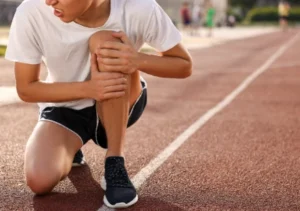
Athletes recovering from injury: One of the less talked about applications of altitude training is rehabilitation. During recovery from fractures, bone stress injuries or post-surgery, there are stages where mechanical loading is not yet appropriate. Hypoxic training lets athletes maintain cardiovascular fitness without placing stress on healing structures, reducing deconditioning while the body repairs. It means athletes return in better condition when they are cleared to train fully again.
Can the average person benefit from altitude training?
Most people can benefit from altitude training, even if not training for a specific event or major race. There are a number of key benefits the average person can gain from altitude training:
Improved cardiovascular fitness - Low oxygen environments force greater red blood cell production and increase hemoglobin, improving oxygen delivery efficiency.
Injury recovery - Even as a casual athlete or fitness enthusiast, hypoxic training has very real applications to help you recover from injuries.
In general, altitude training is beneficial for improving performance and fitness in high-level athletes and casual athletes.
Get in touch with Injury Mechanics today to discuss whether hypoxic training is the right approach for you.