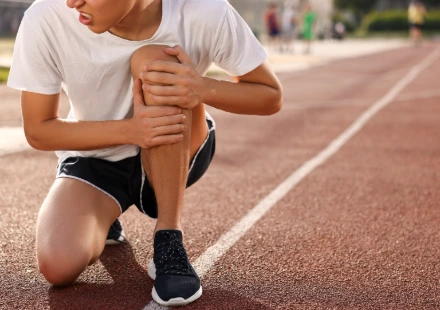
As a runner, injuries can unfortunately be all too common. Even with careful planning and training routines, it’s impossible to completely avoid the risk of an injury resulting from impact, overuse or even a freak accident.
At Injury Mechanics, we’re experienced in supporting runners to overcome all forms of running related sports injuries, minor and major. Learn more to find out how we can help you.
Common running injuries
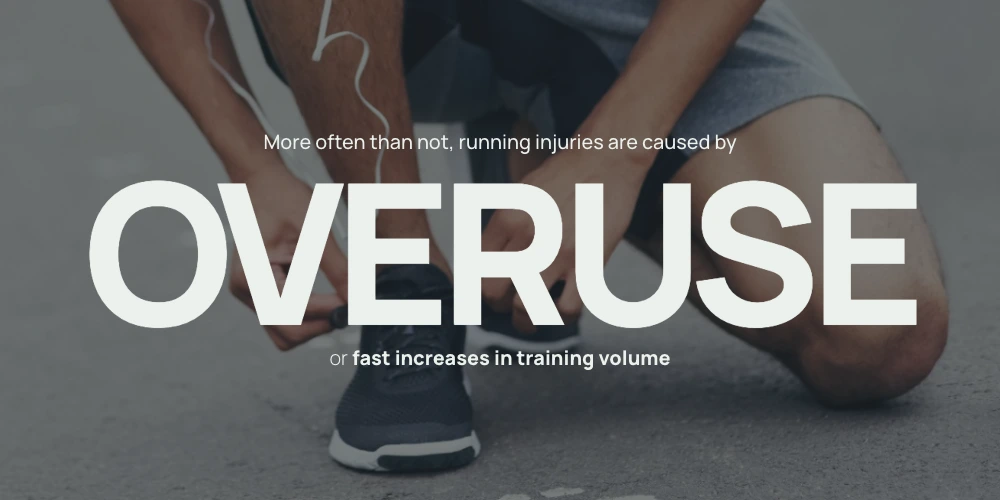
More often than not, running injuries are caused by overuse or fast increases in training volume. Some of the most common injuries associated with running include:
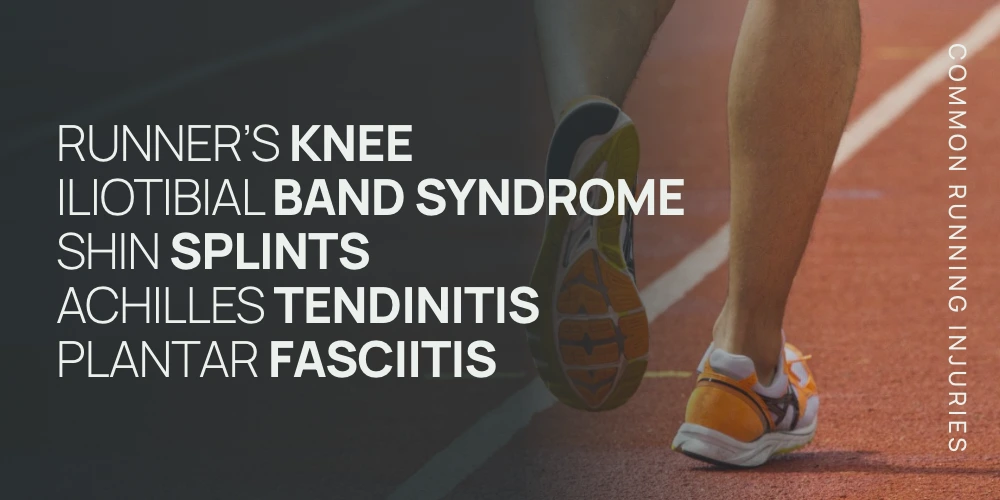
Runner’s knee - Usually dull, aching pain in or around the kneecap area. Often caused by overtraining or weak thighs/quads.
Iliotibial band syndrome - A sharp/aching pain on the outer knee caused by friction of the IT band rubbing against the thigh bone. This can be made worse by weak hip muscles.
Shin splints - Dull aches/pains along the front or inside of the shin bone. Can be caused by improper footwear, tight calves or increasing distances and intensity too quickly.
Achilles tendinitis - Pain or stiffness at the back of the heel caused from repetitive stress.
Plantar fasciitis - Stabbing, sharp pain in the bottom of the heel. This can also be the result of tight calf muscles, high arches and more.
Our sports injury treatment types
At Injury Mechanics, we believe in an evidence-based approach to running injuries, and we’ll never attempt to apply a ‘one-size-fits-all’ framework.
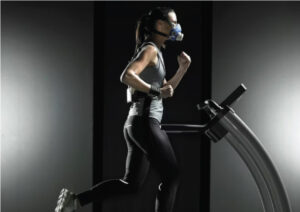
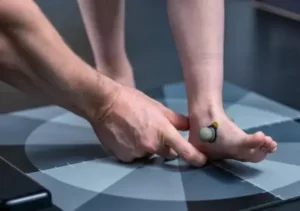
Sports therapy and rehabilitation is at the core of most of our treatment types. This allows us to build a controlled approach to reducing pain and rebuilding strength. For recurring issues such as runner’s knee or IT band syndrome, biomechanical analysis or force plate testing can identify the underlying mechanical causes. This helps us to address the root of the problems, not just the symptoms.
We also often employ sports massage or acupuncture alongside rehab to relieve muscle tension and improve circulation, supporting recovery in between sessions. In some cases, injection therapy could be used to manage pain whilst rehabilitation takes effect.
Every plan is built around your goals, your injury, and getting you back to running with confidence.
How we tailor our injury treatment specifically to runners
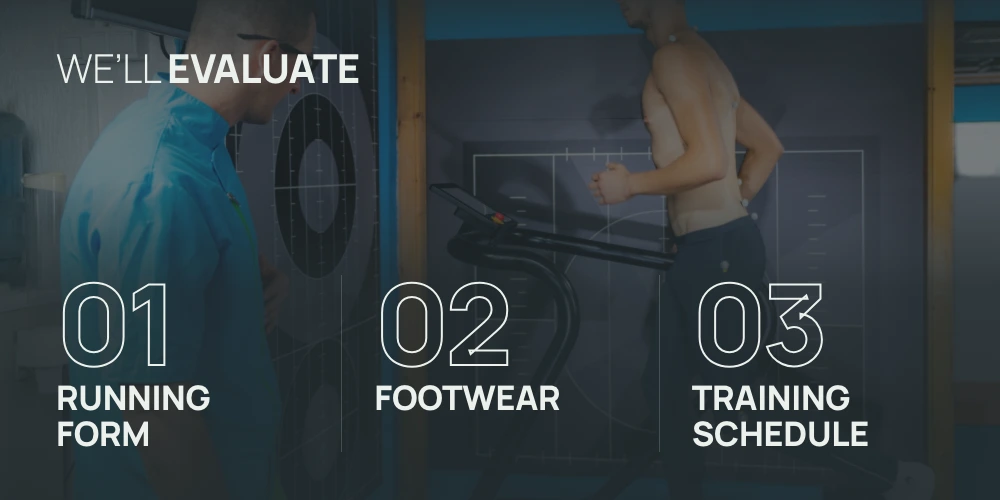
We tailor our injury treatment plans specifically to runners by adopting an evidence based approach to work towards the specific goals we discuss with you. We’ll evaluate factors such as your running form, footwear and training schedule, pinpointing areas which we can optimise.
For runners, we often aim to focus on progressive loading as you recover from your injury. Progressive loading will slowly increase the strain on muscles and joints. This prevents overloading, eliminating the risk of aggravating the injury.
Booking injury treatment and rehabilitation as a runner
If you’re a runner looking for injury treatment and rehabilitation services, be sure to seek support from a team who prioritises an evidence-based approach to recovery. Book an appointment with Injury Mechanics to start your recovery journey today.