Lactate Threshold Testing

Lactate threshold testing allows you to understand the optimal intensity you can train at before your body is unable to keep up. Book your appointment today.
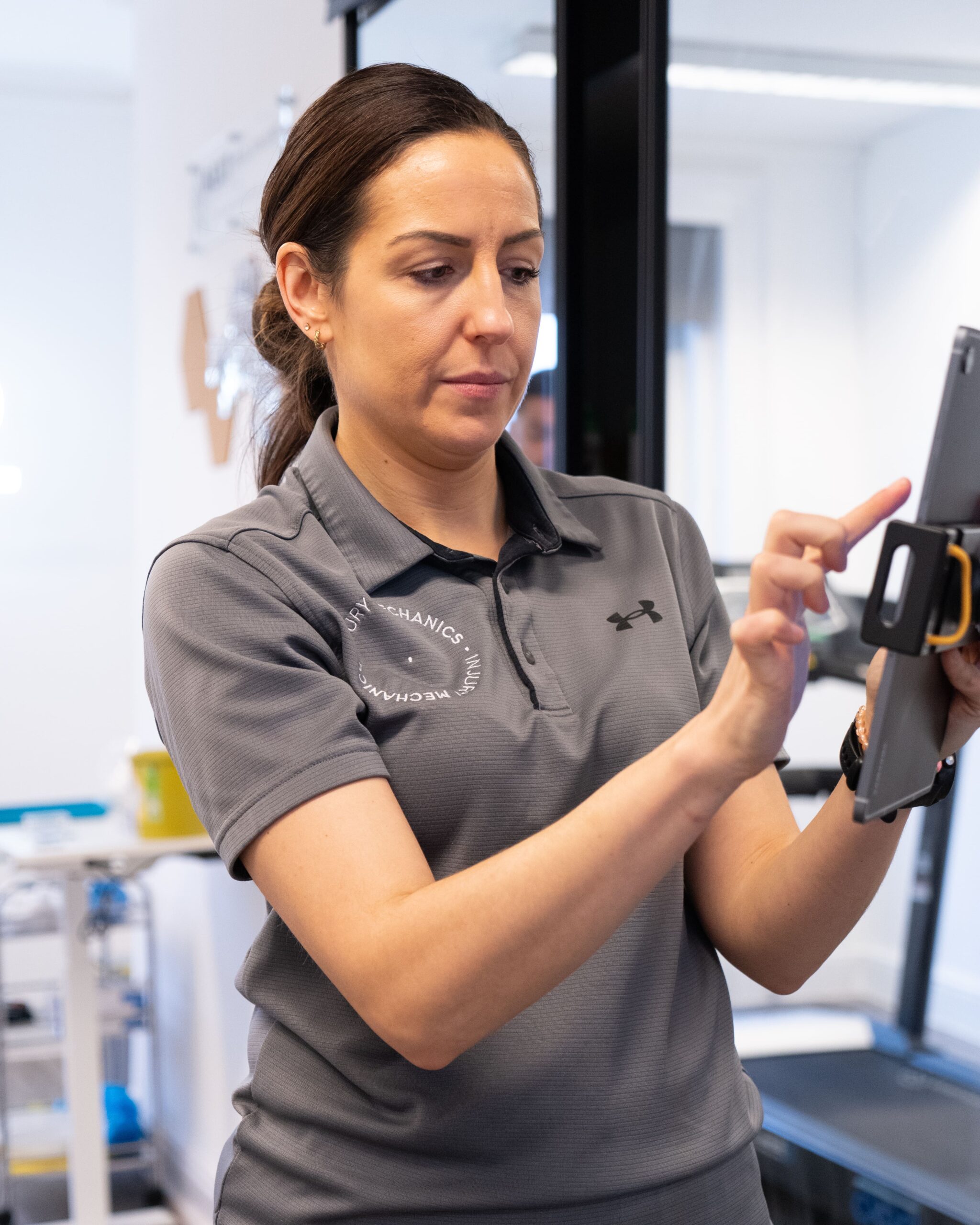
Identifying your lactate threshold helps you to understand the maximum intensity you are able to maintain for an extended period of time before your muscles get too acidic, forcing you to slow down.

Testing this allows you to identify effective and healthy training zones, pushing yourself to your scientific limit in a safe manner without overdoing it and causing excess fatigue and muscle pain.

What is Lactate Threshold Testing?
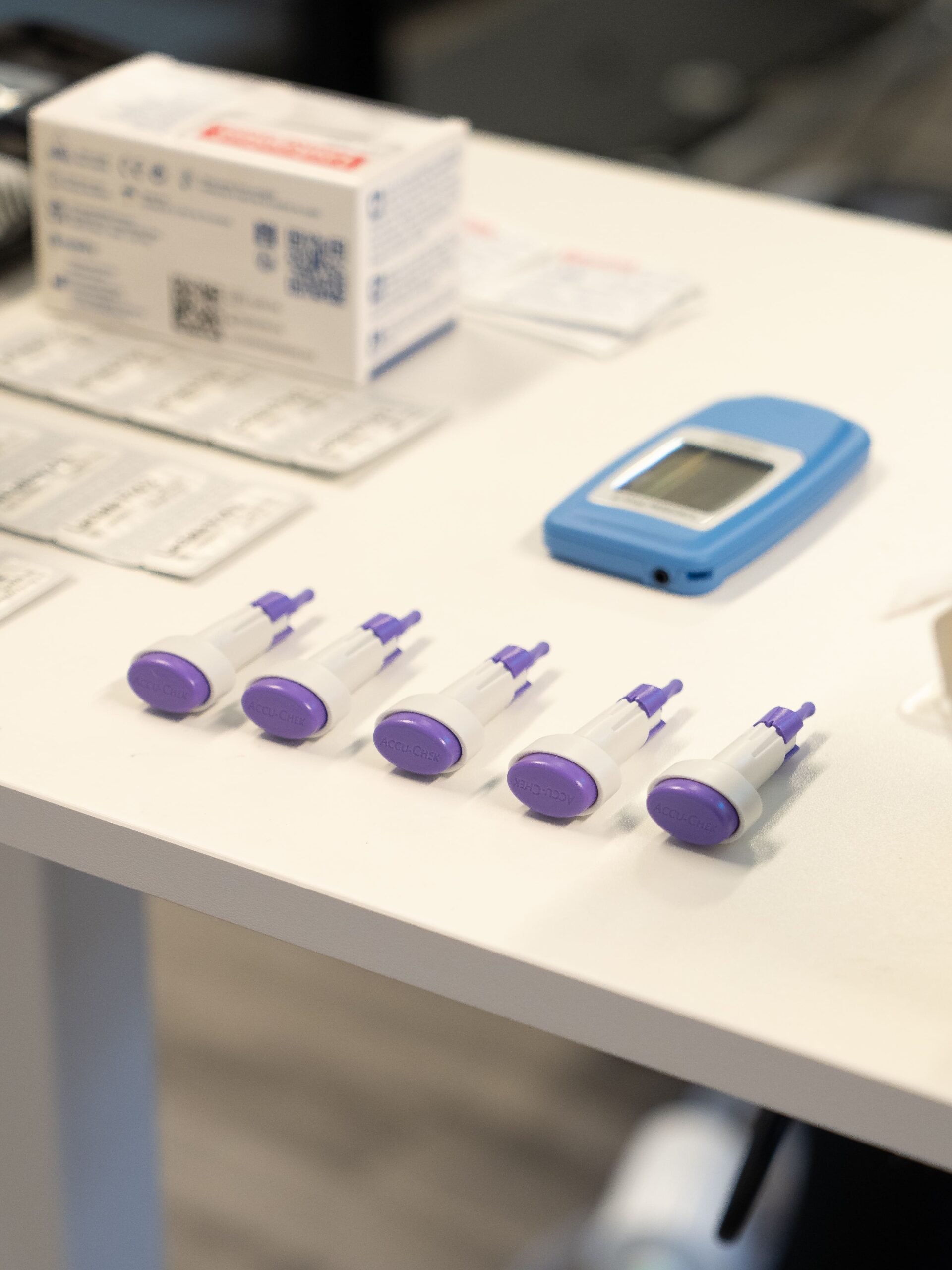

Lactate threshold testing includes running through a variety of physical exercises, which get gradually more intense. Blood samples are then taken at the end of each exercise, for the purpose of measuring lactate levels in the blood. Lactate levels rise during exercise, especially during high-intensity movement, which can lead to muscle and general fatigue.

Through lactate threshold testing, we are able to determine your threshold levels, and the specific effect that different levels or intensity of exercise have on your body.

Lactate Threshold Testing services


Injury Mechanics lactate threshold testing services are simple and effective, and we’ll help you better understand your body and optimise your training or fitness plans based on scientific evidence.


Posted on Google Google
Eilish Anderson profile picture
Eilish Anderson
Google star 1Google star 2Google star 3Google star 4Google star 5Trustindex verifies that the original source of the review is Google.
Great consultation with Tommy, he took time to work through my questions and feedback regarding my problem. We trialled some exercises and body movements to understand better why I may be experiencing the issues I am. He advised he would follow up with exercise references for me and a wrap up of our consultation with a referral proposal, all of which came through the same evening!
Posted on Google Google
Craig Connor profile picture
Craig Connor
Google star 1Google star 2Google star 3Google star 4Google star 5Trustindex verifies that the original source of the review is Google.
Second time at Injury mechanics, Gus on my first visit was great very knowledgeable and managed to help me fix a nigging shoulder problem. Tom Walsh was equally as great on my second visit again helping with a shoulder niggle, sent me easy to follow resistant band videos to help me strengthen the area, already seeing improvement's, thanks Tom and Gus, highly recommend.
Posted on Google Google
Kieran Stidworthy profile picture
Kieran Stidworthy
Google star 1Google star 2Google star 3Google star 4Google star 5Trustindex verifies that the original source of the review is Google.
I took the pursuit of running up in October 2021 and I was always reluctant to invest in seeing a physio as I felt that I was 'sensible' enough to look after my physical work load and that I could rely on fellow runners to help keep me grounded. After suffering with multiple 'niggles' that I just ran through and because I was embarking on an Ultra Marathon training plan, I bit the bullet and decided to consult a physio. I didn't want to go to 'any physio', I wanted to make sure that I saw the best that was available to me and after asking a PT I know in the Manchester area, I was recommended to get and see Jonathan Collier at Injury Mechanics. I booked my first appointment with Jonathan at the end of May and like me he is a long distance runner so is ideal for the sort of advice that I need. Since May I have been back to see Jonathan on a monthly basis, even after completing the Ultra in September. It isn't just about getting checked up and being helped through potential injuries, it's also become a great opportunity to share stories and tips with somebody else who shares the same passion as me. In the time I have been under Jonathan I've received nothing but top service and support. I've moved an appointment last minute because of childcare issues which was no issue and during some very tricky periods of my training plans I have been messaging him out of hours to get advice and not once has he made me feel like I'm an inconvenience to him. If you're looking for a physio then Jonathan Collier of Injury Mechanics is the only physio you need to consult.
Posted on Google Google
Collins Reinforcements Ltd profile picture
Collins Reinforcements Ltd
Google star 1Google star 2Google star 3Google star 4Google star 5Trustindex verifies that the original source of the review is Google.
Thank you for you help and support to keep me running.
Posted on Google Google
Graham Barnes profile picture
Graham Barnes
Google star 1Google star 2Google star 3Google star 4Google star 5Trustindex verifies that the original source of the review is Google.
Friendly, understanding and listen, no complaints, superb job
Posted on Google Google
Philip john Foster profile picture
Philip john Foster
Google star 1Google star 2Google star 3Google star 4Google star 5Trustindex verifies that the original source of the review is Google.
I have been seeing Jonathon for 3 years now after being recommended by a friend with my back pain, I play rounders, run and exercise and as I’m getting older need physio more often. Jonathon makes me feel at ease and it’s like going for a chat for an hour whilst he works on what I need on that particular visit as it’s different every time!! But he understands and is patient with me great team!! Mary Foster
Posted on Google Google
michelle small profile picture
michelle small
Google star 1Google star 2Google star 3Google star 4Google star 5Trustindex verifies that the original source of the review is Google.
The injury Mechanics team have been outstanding, they are very professional,friendly, caring,kind and always listen to you, which in turn helps them to provide you with the most appropriate treatment programmes. Myself and my super athletic Children are very lucky to be treated by the injury Mechanics teams.
Posted on Google Google
Diane Worrall profile picture
Diane Worrall
Google star 1Google star 2Google star 3Google star 4Google star 5Trustindex verifies that the original source of the review is Google.
I would highly recommend Injury Mechanics. My whole family have been going for years. I recently had a back problem. I phoned Johnathan who sent me exercise to do the same day. He saw me the day after I called and knew what the problem was straight away. Feeling so much better already. Fantastic 😊 thank you, Diane Worrall
Posted on Google Google
Alison Cannon profile picture
Alison Cannon
Google star 1Google star 2Google star 3Google star 4Google star 5Trustindex verifies that the original source of the review is Google.
Maria and the team literally keep me able to exercise. I have had a number of injuries and Maria not only “mends me” but she also gives me the techniques to ensure they don’t happen again. Incredibly effective and knowledgeable, I can’t recommend her highly enough!
Posted on Google Google
Andy Ross profile picture
Andy Ross
Google star 1Google star 2Google star 3Google star 4Google star 5Trustindex verifies that the original source of the review is Google.
Excellent service very knowledgeable would highly recommend

How we test lactate threshold levels


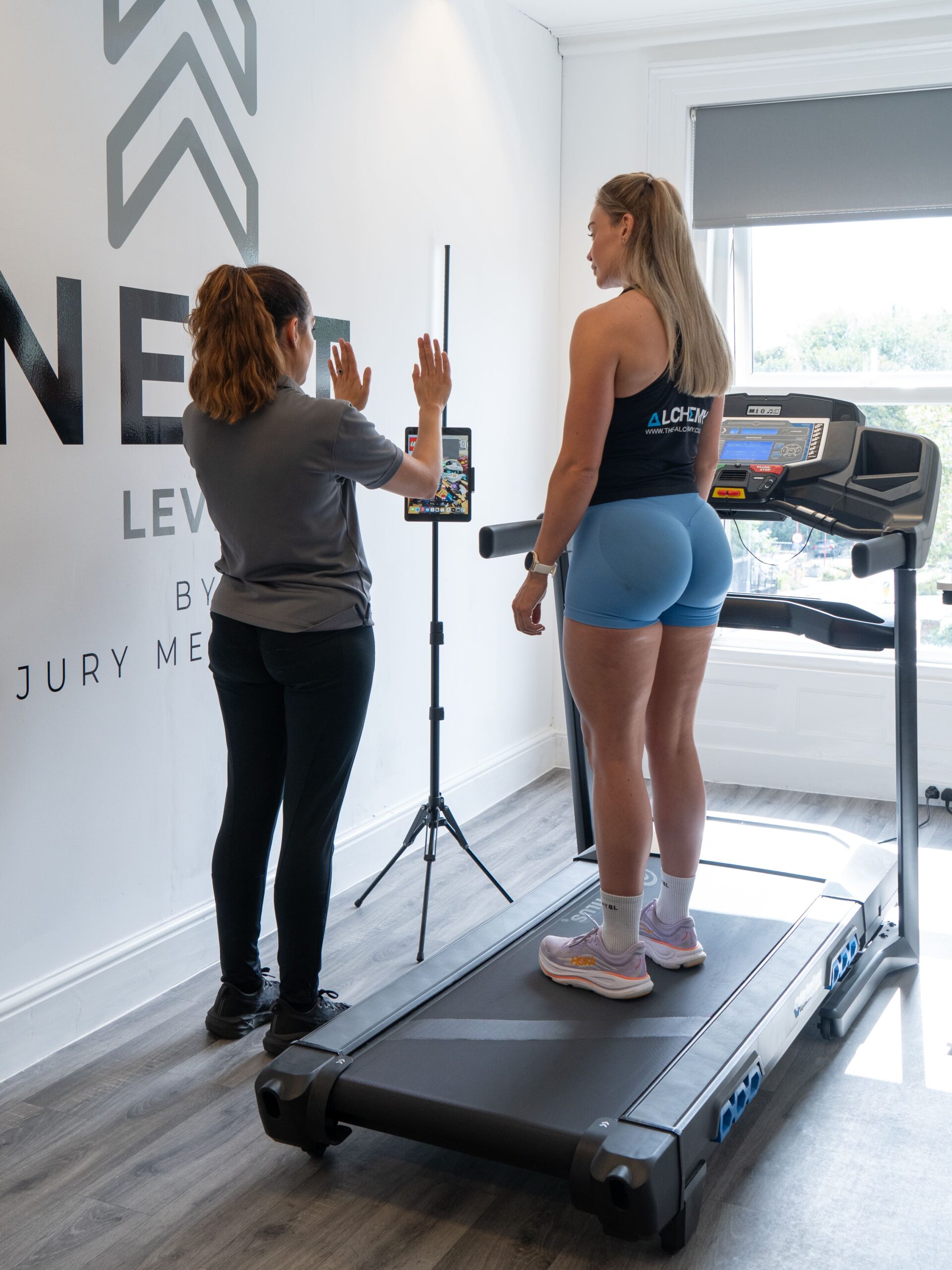
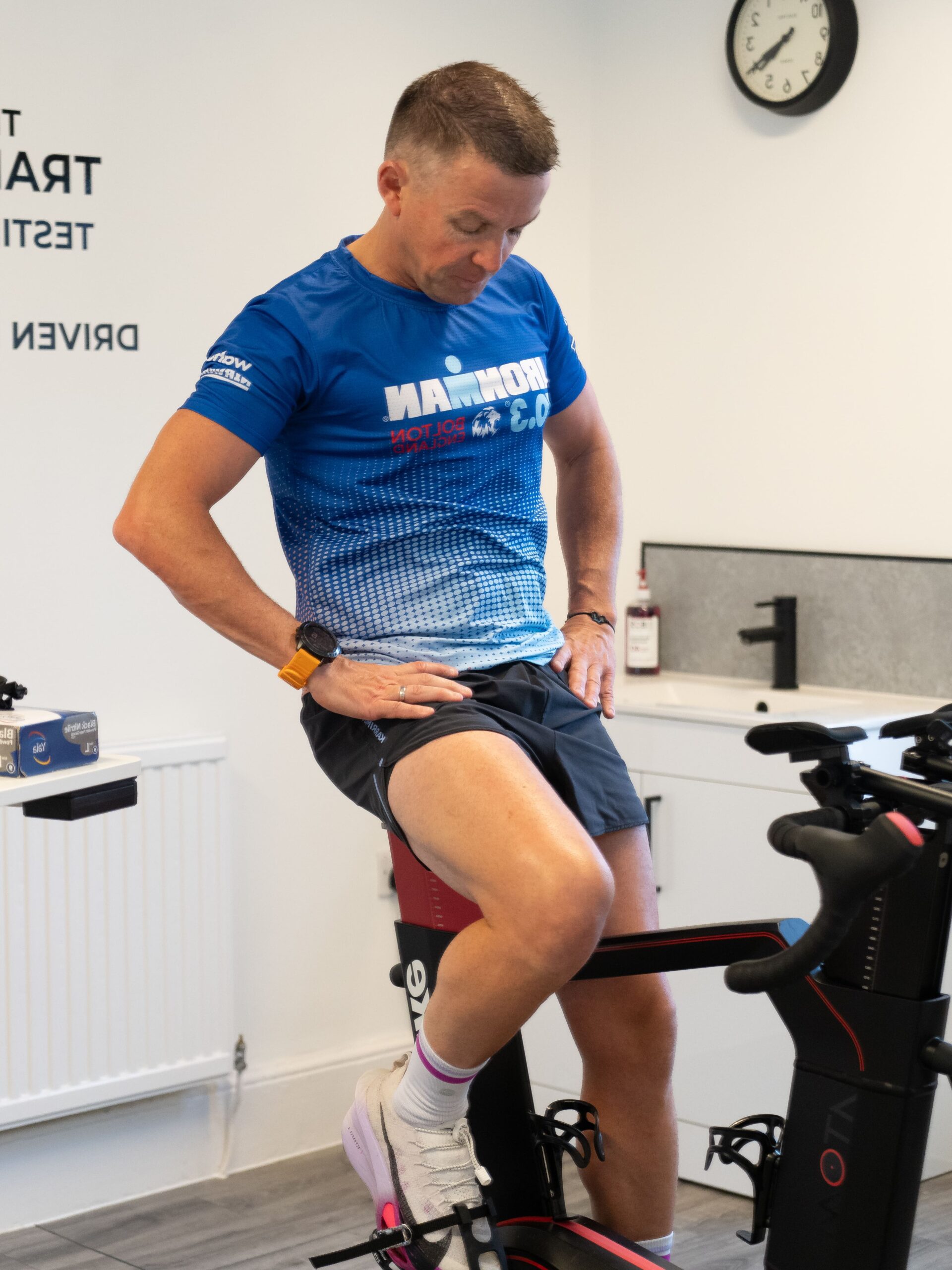
When testing your lactate threshold, we will use our WattBike Atom V2 for cycling purposes or the treadmill for running focused results.

The aim of a blood lactate threshold test is to determine your specific training zones to optimise endurance performance by identifying an athlete's current fitness level and ability to sustain high-level intensity.

The process will consist of:


1

A brief consultation with your clinician about your current fitness levels and performance goals/target race. At this point, you will be able to ask any questions about the testing procedure.

2

Your clinician will then create your initial profile by taking your height, weight and baseline blood lactate sample.

3

A 10 minutes steady state warm up on the bike or treadmill will take place before entering the first phase of the test. The first phase/intensity level will be pre-determined based upon the current training level or previous race results. The intensity of the session will increase every 3-5 minutes.

4

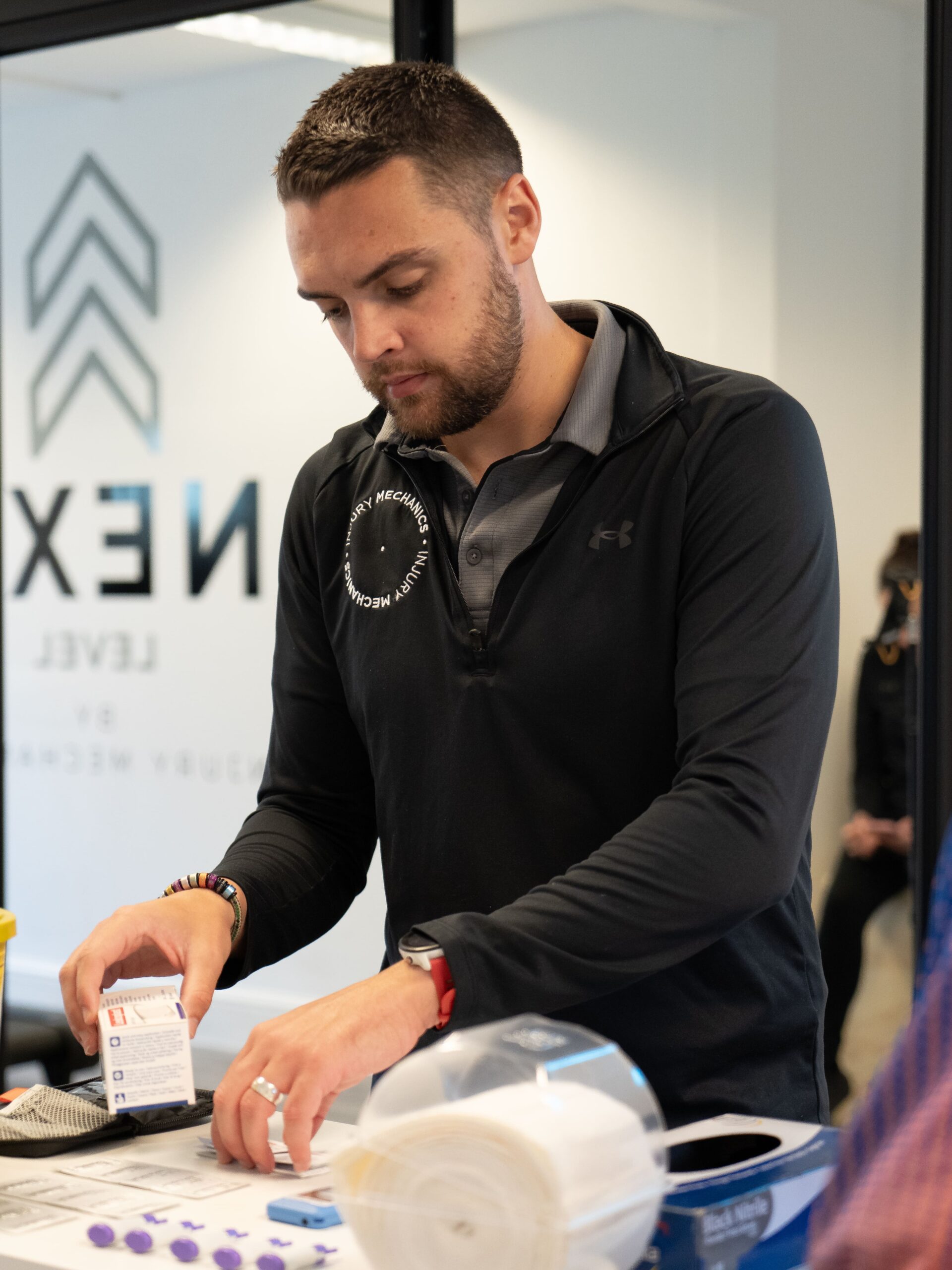
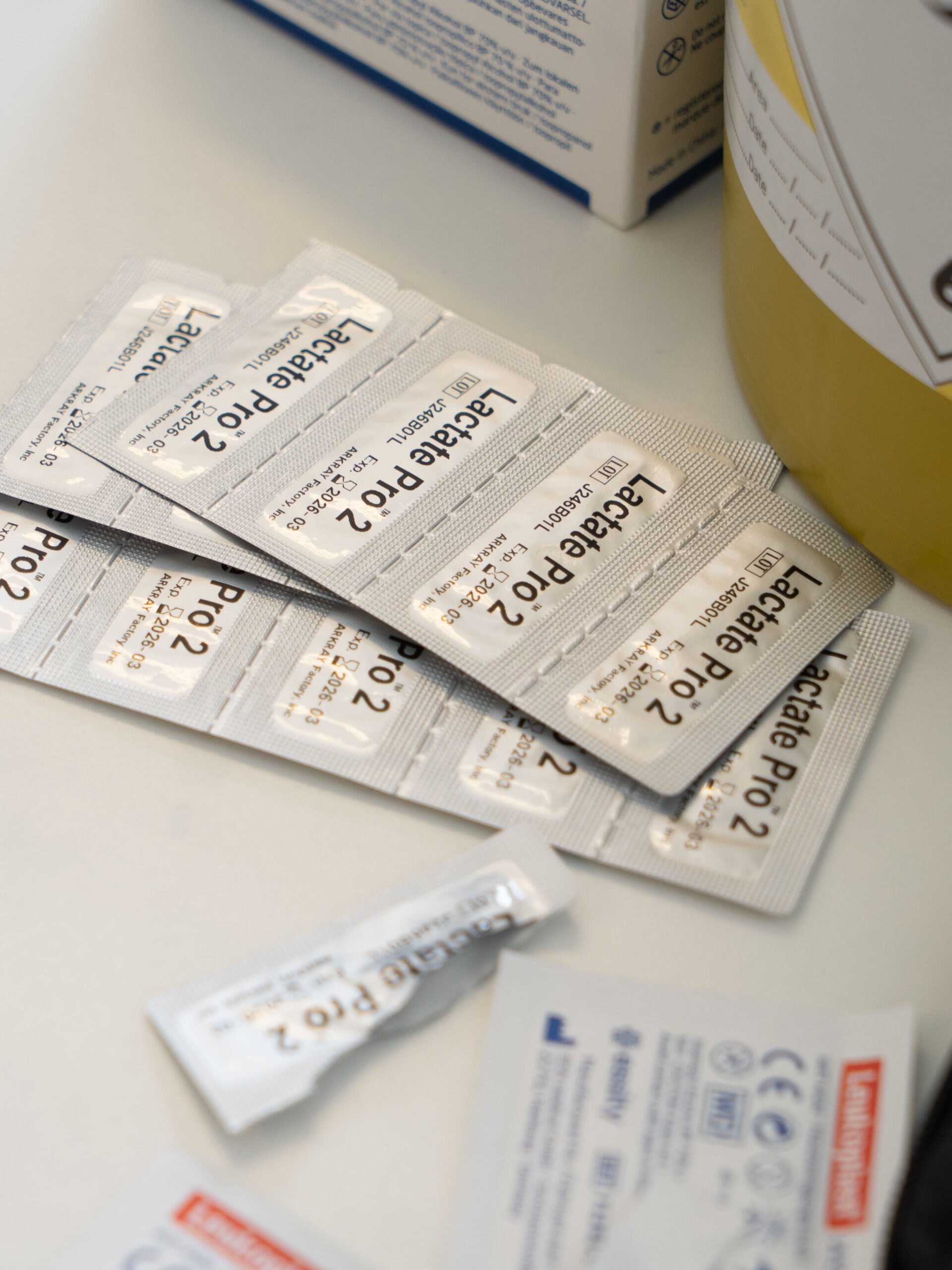
At the end of every interval, your clinician will obtain a heart rate reading, a RPE (rate of perceived exertion) score and a blood lactate sample. This sample is obtained through a small finger prick sample and processed in a lactate analyser. The test will continue until Lactate Threshold 2 (LT2) has been reached. 

5

The date will then be processed and provided to you following the test including any recommendations for training programming. Follow up discussions or further testing can be arranged with your clinician.
Lactate Threshold Testing Specialists


The Injury Mechanics team are specialists when it comes to lactate threshold testing. We’ve served a plethora of happy customers, aiding them in defining their current limits for intense exercise. 

Our physiotherapy services involve understanding your goals and talking to you about your current needs and abilities, before delivering testing and creating a plan to help you achieve what you want. 


What Lactate Threshold Testing tells you


Lactate threshold testing tells you how much intense exercise you can do before the levels of lactate within your muscles get too high, and in turn how hard you can safely push yourself without risking excess fatigue.

Your lactate threshold can rise, effectively meaning you’ll get ‘more fit,’ as you push yourself to the safe limit without going too far.


Lactate testing will outline to you how hard to train in order to optimise your athletic improvement with lower risk of fatigue and injury. 

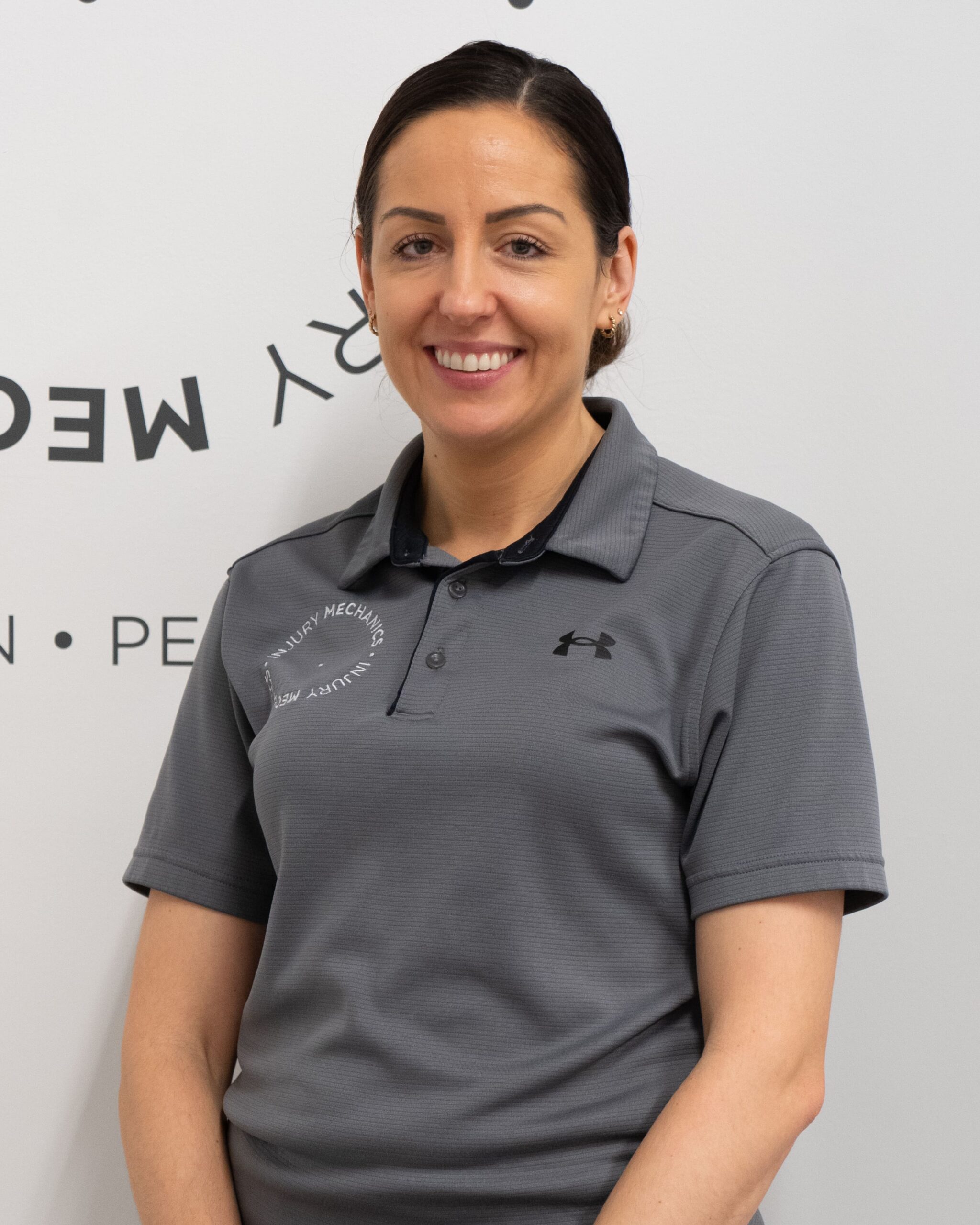
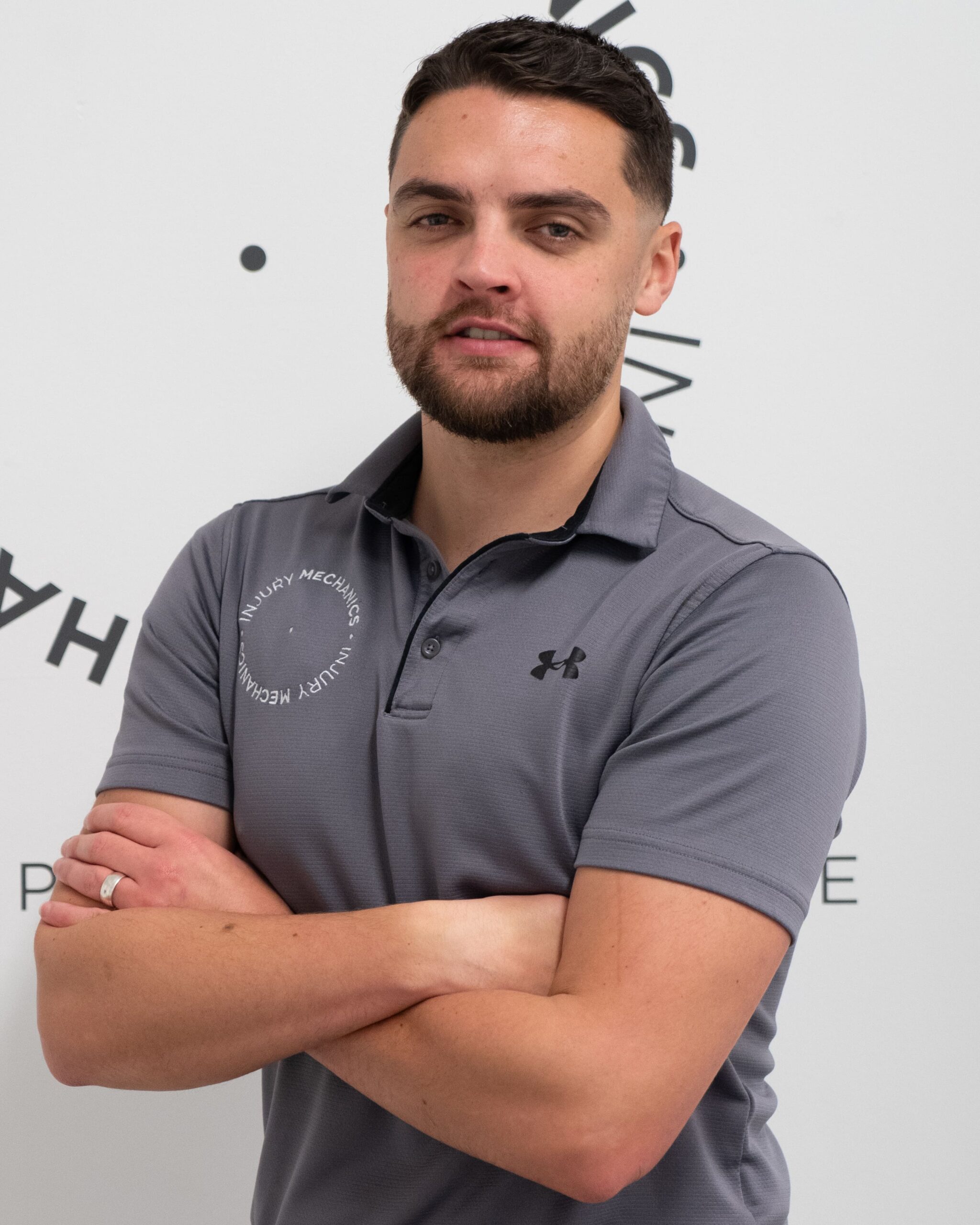
Meet our expert team

Find out who you will be working with, and what qualifications and experience our expert team have!
Enquire About Lactate Threshold Testing

FAQs about Lactate Threshold Testing


Who should get a Lactate Threshold Test?


Lactate threshold testing is ideal for any athlete at any level who wants to understand the current bounds of their physiological response of your body to certain levels of exercise. Whether you’re a professional athlete or just recovering from an injury, lactate testing helps you understand the levels of intensity you can maintain safely.

How long does a Lactate Threshold Test take?


Generally, a lactate threshold test should take between 1-2 hours. This includes a warm up, the exercise and blood tests, and a cool-down followed by a discussion of your results.


How does Lactate Threshold Testing improve performance?


Lactate testing helps you to understand the intensity level at which your body is no longer able to effectively clear lactate. This allows you to outline clear limitations and potential performance levels, for a bespoke training program which garners the best results.


Can you do a Lactate Threshold Test if you are injured?


Depending on the injury, you can sometimes do a lactate threshold test whilst injured. However, this would only be recommended at all if the injury is relatively minor. Discuss your injury with Injury Mechanics and we can recommend whether or not you should go ahead with a test, as well as providing services such as sports injury rehabilitation to aid you in your injury recovery. 


Become a Client Today

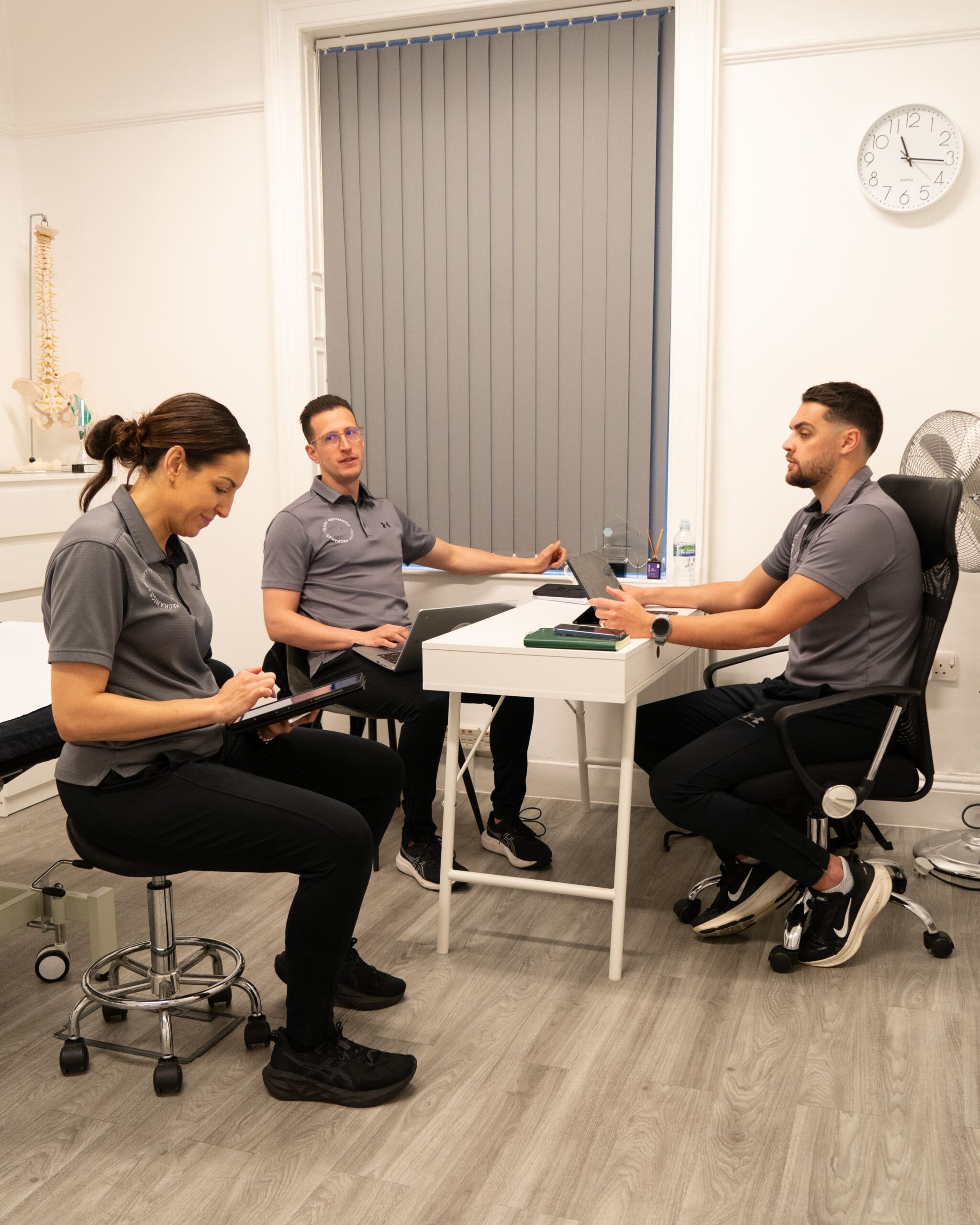
Our team are known to be approachable, professional, friendly, knowledgeable, caring and down to earth. If you would like to book an appointment with the Injury Mechanics team, fill out the contact form or use our simple online appointment booking system.

0 of 350

Become a Client Today

Our team are known to be approachable, professional, friendly, knowledgeable, caring and down to earth. If you would like to book an appointment with the Injury Mechanics team, fill out the contact form or use our simple online appointment booking system.

0 of 350

Related blogs