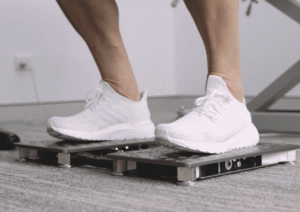
Lactate threshold testing helps you to pinpoint optimal training zones within which your body can reliably clear lactate faster than it produces it. This provides scientific evidence to understand the maximum intensity you can train or exercise at before you begin to tire much faster.
This blog post goes into further detail regarding how you can improve your performance with lactate threshold testing.
What data do you get from lactate threshold testing?
From lactate threshold testing, we gain precise individualised data on your metabolic fitness, particularly finding the intensity levels of heart race, pace, or power at which lactate begins accumulating faster than it is cleared.
How does your lactate threshold affect performance?
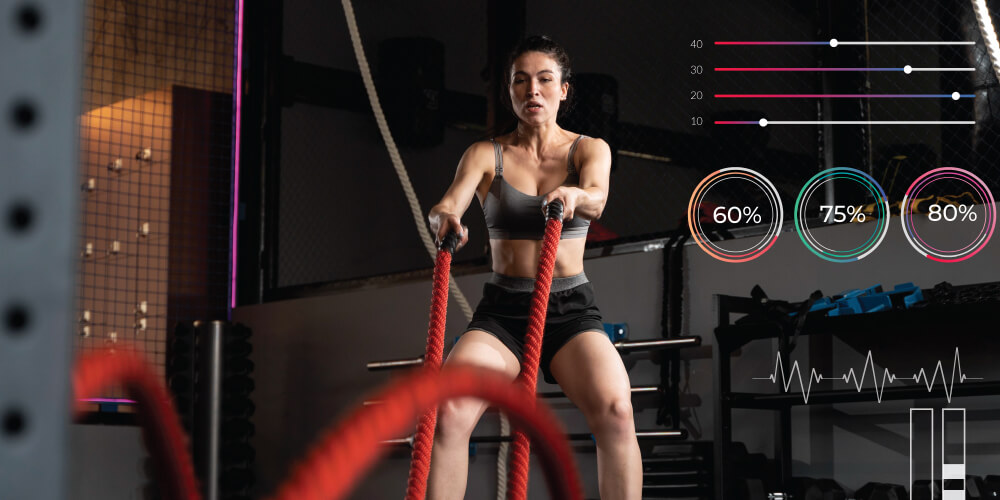
Your lactate threshold directly impacts performance because it is essentially the point at which you start to tire at a faster rate.
A low lactate threshold means you can’t exert much energy or intensity before your body begins to tire much faster. Alternatively, a higher threshold allows you to sustain higher intensity in your workouts or exercise for longer periods of time, without excessive fatigue.
So, in essence, a high threshold means you can sustain vigorous exercise for longer, whilst a low threshold means you’ll begin to tire much faster. Thankfully, lactate threshold testing allows you to understand your maximum capacity (the threshold itself), allowing you to methodically work on increasing this.
How lactate threshold testing can improve performance
Lactate threshold testing can increase your performance because it equips you with the knowledge to understand your ‘maximal lactate steady state (MLSS)’, and the tools to gradually increase it.
Training just under, rather than just over, the MLSS is the best way to prolong exercise without exhausting yourself, and performing this exercise (at about 88-94% of your threshold) for longer periods helps to increase your MLSS steadily.
On top of this, we can use test results to pinpoint the pace just above your threshold, and maintain that pace for short bursts (5-10 minutes). Doing this, with short active recovery periods in between, trains the body to increase the speed of lactate removal, elevating the intensity at which you can exert power before tiring faster.
How to use lactate testing to improve your performance
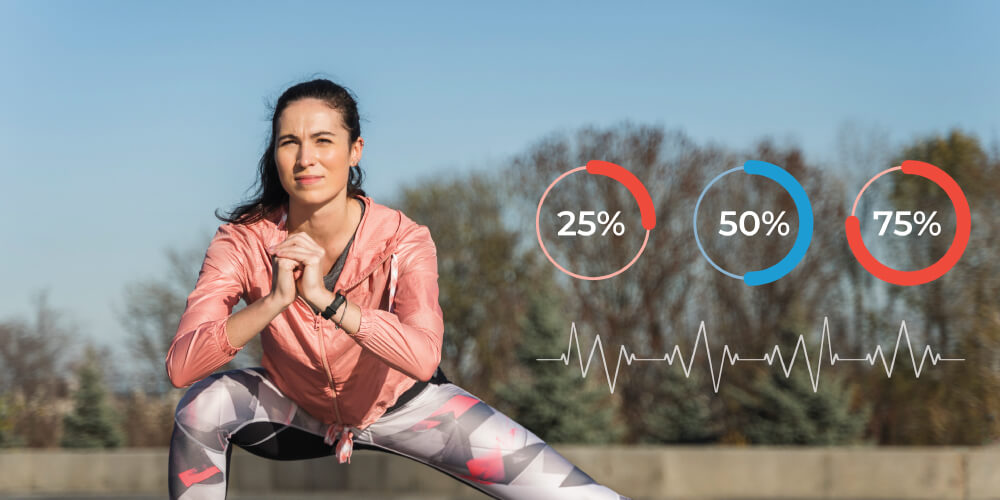
Using lactate testing to improve your performance means being able to understand and interpret results, then integrate them into your training plans. They help you to establish optimal training zones and improve endurance as a result. However, putting this into practice means understanding the results, and knowing how to interpret them, which is notoriously difficult.
That’s where Injury Mechanics come in. We don’t just test and give you the results, we develop an ongoing relationship with our clients to help them actually use these findings and see tangible performance growth.
Confusing your aerobic threshold and your anaerobic threshold, for example, will lead to sub-optimal training zones, and trying to eyeball results graphs would also lead to highly inaccurate training applications.
We may also suggest other services to which we can apply our findings, such as strength and conditioning coaching or a biomechanical analysis, to further increase your fitness and work towards your goals.
Why should you aim to increase your lactate threshold?
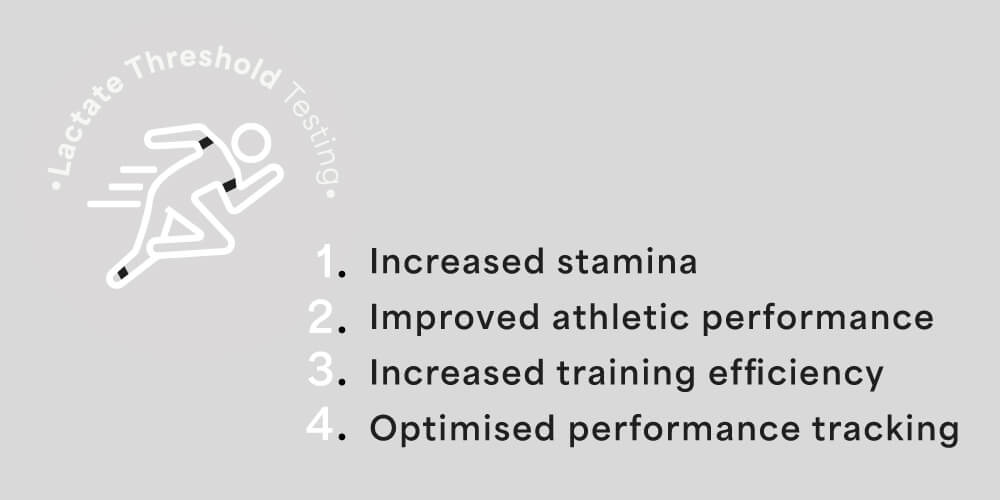
You should aim to increase your lactate threshold because it will allow you to maintain high-intensity exercise for longer periods of time. This provides the opportunity for exponential fitness growth and improvement which is backed by actionable scientific evidence:
- 1Increased stamina
- 2Improved athletic performance
- 3Increased training efficiency
- 4Optimised performance tracking
Working with Injury Mechanics for lactate threshold testing combines scientific evidence with an understanding of your fitness goals, resulting in clear, actionable steps towards increasing your threshold (and subsequently your overall fitness).
Get in touch today to get started.