
High-altitude performance can be optimised using local hypoxic training, a service which utilises state-of-the-art technology to mimic exposure to lower oxygen levels.
How your body is impacted at high altitudes
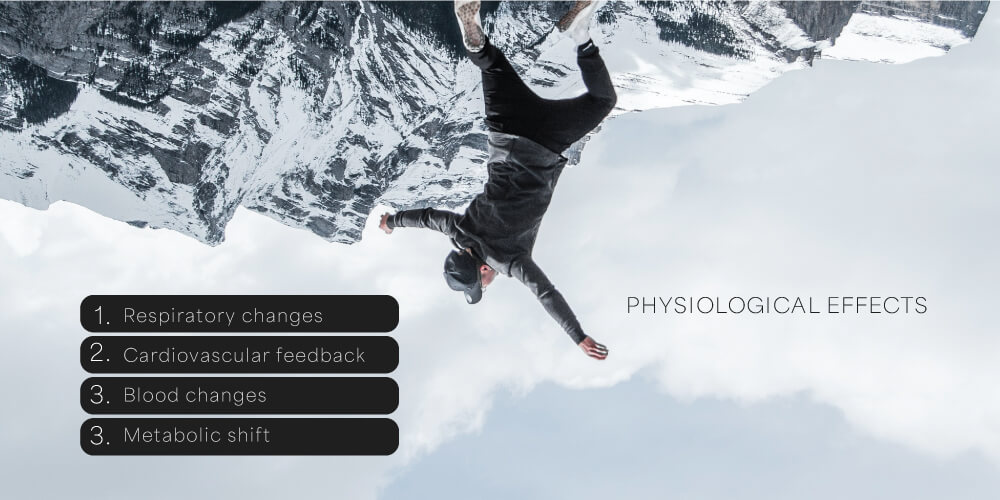
High altitude has a profound scientific impact on your body, with the specific effect varying based on exactly how high the altitude is.
Altitude results in less oxygen intake per breath as a result of decreased atmospheric pressure, which leads to increased physical strain, and causes your body to tire much quicker.
Here are some of the key physiological effects of high altitude:
How low oxygen environments affect you
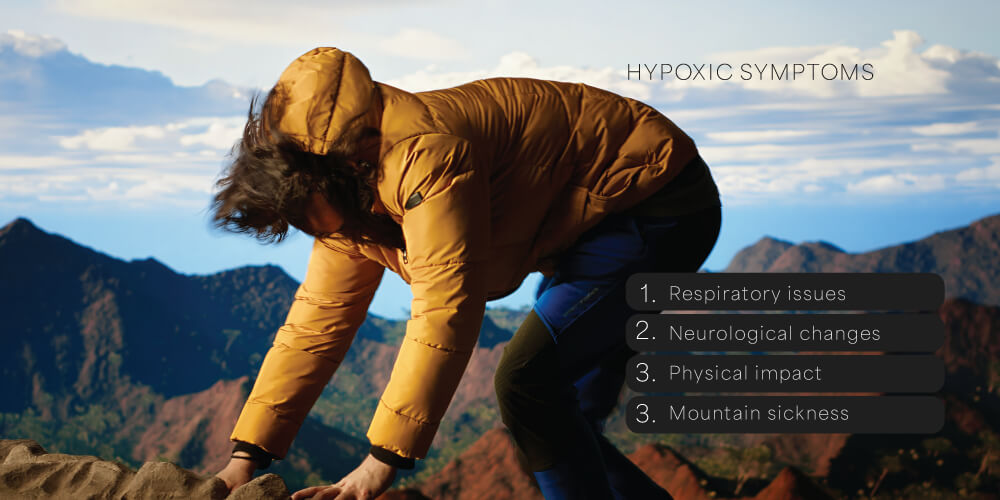
Low oxygen, or ‘hypoxic’, environments reduce the amount of oxygen your body can take in with each breath. This leads to a number of symptoms of ranging severity:
- 1Respiratory issues - Breath shortness, wheezing, rapid breathing.
- 2Neurological changes - Headache, confusion, dizziness, lightheadedness.
- 3Physical impact - Increased heart rate, blue/gray skin/lips (in extreme cases).
- 4Mountain sickness - Acute mountain sickness (AMS) can cause headache, nausea and fatigue.
The good news is, you can prepare and train your body to become more accustomed to these conditions in the build up to high altitude exposure.
Whilst you can never fully mitigate the effects of low oxygen levels, altitude training with a generator is a controlled and evidence-backed approach to gradually increase your red blood cell production, boosting oxygen delivery to muscles.
Why would you need altitude training?
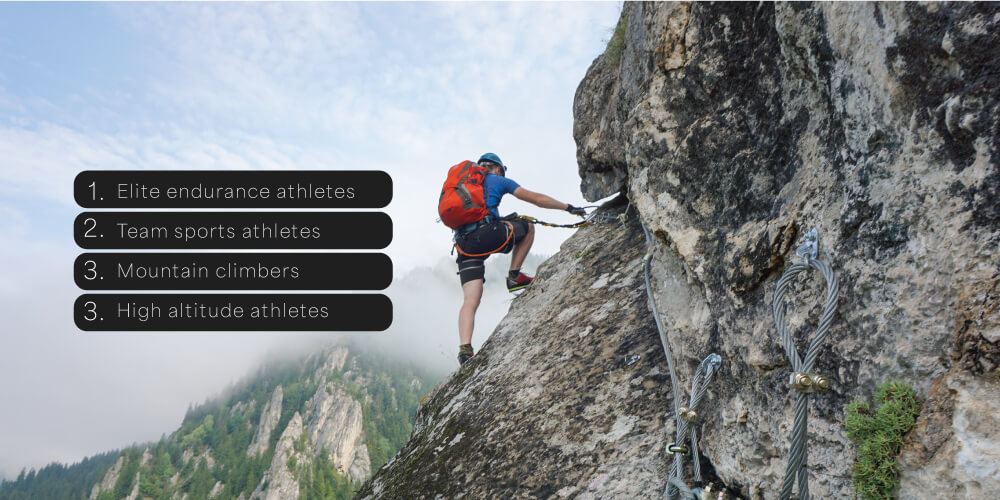
You may need altitude training to improve athletic performance and/or physical endurance, either at high altitudes and just in general. The benefits of altitude training include increasing the lactate threshold, improved endurance and boosted metabolic efficiency.
Altitude training has important applications for a range of athletes or individuals:
How to train for high altitude and low oxygen environments
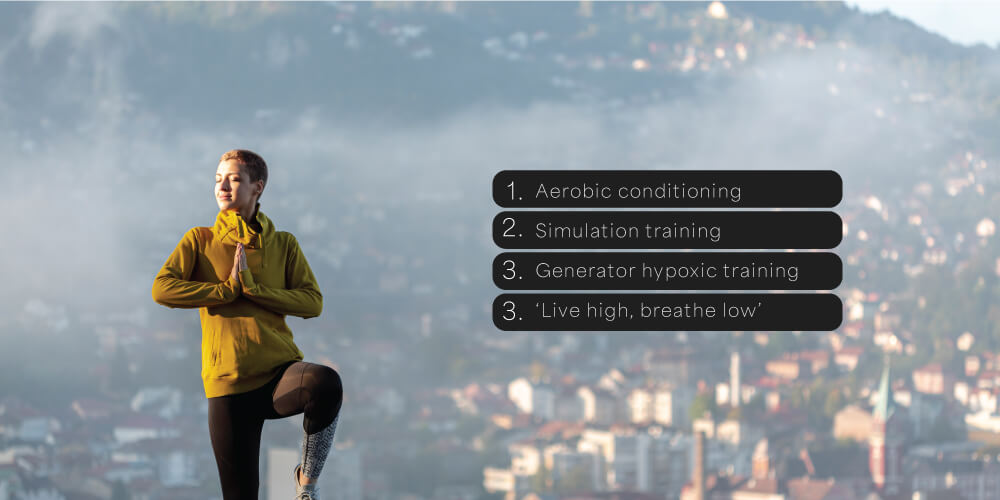
Training for high altitude and low oxygen environments involves integrating a number of different methods to improve performance and endurance across the board.
Key methods to consider:
Combining as many of these aspects into your overall training plan is the best way to fully prepare yourself for high altitude environments, no matter what sport or event you’re training for.
When should you start altitude training?
If preparing for a major event, trek or race, we’d recommend that you work altitude training into your plan about 4 weeks before the event
This gives enough time for the body to make noticeable changes to physiology such as increased red blood cell count and general increased endurance. It’s also a short enough period of time that you won’t risk any of the long term detrimental effects caused by significant overtraining.
Maintaining strength at high altitudes
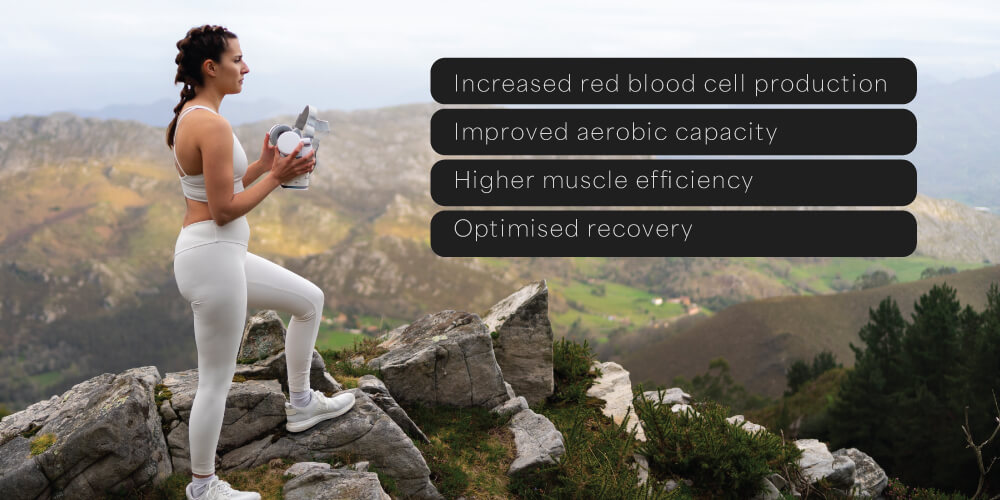
Maintaining strength at high altitudes is highly dependent on your body being accustomed to low oxygen conditions.
At high altitudes, your muscles typically fatigue much faster, as they’re receiving significantly less oxygen. As a result, the only way to reliably maintain strength at high altitudes is to train your body to deal with such conditions through hypoxic training. This way, your body develops resistance to the impact of high altitude and allows you to maintain strength and endurance for longer.
Get in touch with Injury Mechanics today to discuss a targeted altitude training plan.